


Saudi Arabia is one of the most connected markets in the world: DataReportal’s Digital 2026 report counts 34.4 million internet users, 99.0% of the population. That makes an ecommerce business in Saudi Arabia attractive, but success depends on getting the basics right: registration, platform, payments, tax and delivery. This guide walks through each step.
How do you start an ecommerce business in Saudi Arabia?
To start an ecommerce business in Saudi Arabia, choose your products and legal form, register the business (a Commercial Registration through the Ministry of Commerce and Saudi Business Center, or a freelance document for eligible individuals), pick a store platform such as Salla, Zid, WooCommerce or Shopify, connect local payments like Mada, Apple Pay, Tabby and Tamara, set up VAT and e-invoicing with ZATCA when required, arrange shipping, and launch with search and social ads. Check current requirements on the official government portals, because rules and fees change.

Step 1: What should you sell online?
A successful ecommerce business in Saudi Arabia starts with a product you can source reliably, ship profitably and explain clearly. Check demand with Google Keyword Planner and TikTok or Instagram search, look at what competitors charge, and work out your margin after shipping, payment fees, returns and VAT. A narrow range done well usually beats a big catalogue at launch.
Step 2: How do you register an ecommerce business in Saudi Arabia?
Most online stores, and every ecommerce business in Saudi Arabia selling as a company, register a Commercial Registration (CR) with an ecommerce activity through the Ministry of Commerce and the Saudi Business Center. Some individuals selling their own work can use a freelance document instead. Saudi Arabia’s E-Commerce Law requires online sellers to show clear business and contact details, prices and return terms, so plan these pages from day one.
Requirements differ for foreign-owned businesses and regulated products such as food, cosmetics and medical items, so confirm your case with the Ministry of Commerce or a licensed adviser before you buy stock.
Step 3: How do you create an ecommerce website: Salla, Zid, WooCommerce or Shopify?
Salla and Zid
Saudi platforms with Arabic interfaces, local payment and shipping integrations, and monthly plans. Fast to launch for most Saudi stores.
WooCommerce
Runs on WordPress. Most flexible for custom design, content and SEO, but you manage hosting, updates and security.
Shopify
A global platform with a large app store. Works in KSA; check local payment and shipping apps for your needs.
What to decide first
Arabic and English, product count, payment options, shipping partners and how much you want to customise. These matter more than the platform name.
For any ecommerce business in Saudi Arabia, whichever platform you choose, design for mobile first, write product pages in Arabic and English where your buyers need it, and make WhatsApp easy to reach for questions before purchase.

Want help launching your online store?
Book a free 30-minute call with our Riyadh team. We reply within 24 hours, Sunday to Thursday, and send a written, fixed quote before any work starts.
Step 4: Which payment methods do Saudi shoppers expect?
Saudi shoppers expect Mada debit cards, Apple Pay and credit cards, and many also use buy-now-pay-later services such as Tabby and Tamara. Cash on delivery is still common in some categories but raises return and collection costs. Offer the methods your buyers use, show them clearly, and keep guest checkout available.
Step 5: What about VAT and e-invoicing?
Saudi VAT is administered by ZATCA. Registration becomes mandatory once your taxable sales pass the threshold set by ZATCA (SAR 375,000 a year at the time of writing), and voluntary registration is possible below it. Registered businesses must issue compliant e-invoices under ZATCA’s Fatoora programme. Many Saudi store platforms offer ZATCA-ready invoicing; confirm it before launch.
Step 6: How do you handle shipping and returns?
An ecommerce business in Saudi Arabia lives or dies on delivery, so choose couriers that cover your target cities and offer cash-on-delivery handling if you need it. Show delivery times and fees before checkout, and publish a simple return policy. Fast, tracked delivery in Riyadh, Jeddah and the Eastern Province builds repeat orders.
Step 7: How do you get your first sales?
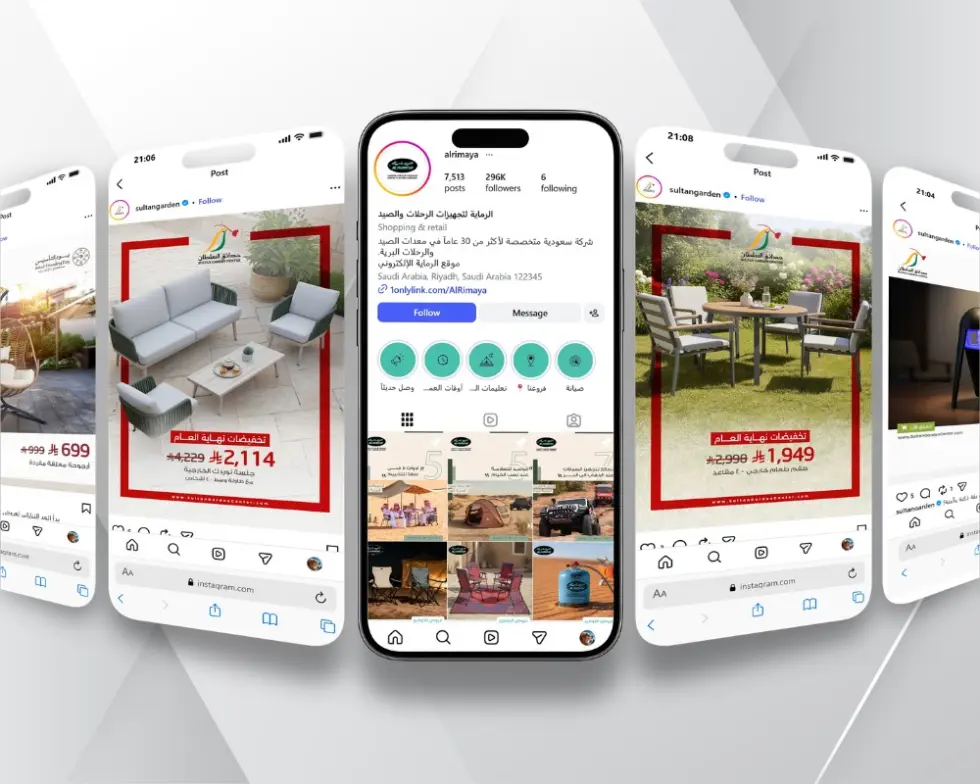
To grow an ecommerce business in Saudi Arabia, start with channels that match how your buyers shop: Instagram, TikTok and Snapchat for visual products, Google Search and Shopping for searched products, and WhatsApp for questions and repeat orders. The Alrimaya home furniture work on our case studies page shows how regular Instagram content builds an audience that ads can then convert.
How much does it cost to start an ecommerce website?
The cost to start an ecommerce website depends on the platform plan, design, number of products, Arabic and English content, photography, payment and shipping setup, and the first months of advertising. A ready theme on Salla or Zid costs far less than a custom WooCommerce build. MTR sends a written, fixed quote after a free call, before any work starts.
See our ecommerce website design service, which builds stores on Salla, Zid, WooCommerce and Shopify with Mada, Tabby and Tamara at checkout. More guides are on our marketing guides for Saudi businesses page.
Planning to launch on Salla? Our Salla store design service covers the theme, products, payments and tracking.
If you plan to sell on a local platform, read our guide to Salla in Saudi Arabia before you choose.
If Shopify is on your shortlist, read how to set up Shopify in Saudi Arabia.
Frequently asked questions about starting an ecommerce business in Saudi Arabia
Do I need a licence to sell online in Saudi Arabia?
Yes, selling online in Saudi Arabia normally needs a Commercial Registration with an ecommerce activity, or a freelance document for eligible individuals. Regulated products may need extra approvals. Check the Ministry of Commerce and Saudi Business Center for current rules.
Which platform is best for an online store in Saudi Arabia?
Salla and Zid suit most Saudi stores that want a fast launch with local payments and shipping, while WooCommerce suits stores that need custom design and strong SEO, and Shopify suits brands that want its app ecosystem. The right choice depends on your products, languages and budget.
How do I create an ecommerce website for free?
Some platforms offer free trials or entry plans, but a real store still needs a domain, payment setup, product photos and usually a paid plan. Free setups work for testing; budget for a paid plan and good product content before launch.
Do I need to register for VAT?
You must register for VAT with ZATCA once your taxable sales pass the mandatory threshold, which was SAR 375,000 a year at the time of writing. Below it, voluntary registration is possible. Registered businesses must issue ZATCA-compliant e-invoices.
How long does it take to launch an online store?
A simple store on Salla or Zid can launch in a few weeks once products and photos are ready, while a custom ecommerce site usually takes longer. MTR’s ecommerce stores are usually live in about 7 weeks.
Ready to start selling online in Saudi Arabia?
We will help you choose the platform and plan the store, then send a written plan and a fixed quote after a free call. Our Riyadh team works Sunday to Thursday and replies within 24 hours. Prefer to call? +966 56 161 8473.
Written by MTR Marketing Agency, Riyadh. Last reviewed: November 2026. Sources: Ministry of Commerce and Saudi Business Center; ZATCA (VAT and Fatoora e-invoicing); DataReportal, Digital 2026: Saudi Arabia.
